Kumbabishegam
 1520 Ratings & 185 Reviews
Send Your Enquiry
Description
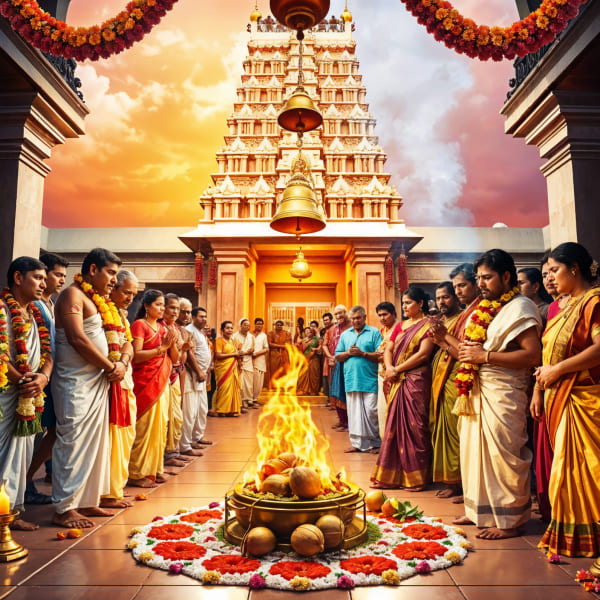
Kumbabishegam is not merely a ritual but a celebration of devotion, purity, and spiritual upliftment. This sacred ceremony, typically performed every 12 years, serves multiple purposes:
- Spiritual Renewal: It reinstates the divine energy within the temple, allowing devotees to experience a renewed sense of sanctity.
- Cleansing and Sanctification: The ceremony involves cleaning and sanctifying the temple premises, which symbolizes the cleansing of the mind, body, and soul.
- Reinstallation of Deities: It marks the reinstallation and consecration of the temple deities, thereby reaffirming the temple’s role as a spiritual center.
- Alignment of Cosmic Energies: By performing specific rituals and chanting sacred hymns, Kumbabishegam aligns the temple with celestial forces, ensuring the flow of divine grace.
Kumbabishegam is more than a temple ritual; it’s a divine event that renews the spiritual essence of a temple. It acts as a bridge between the divine and the mortal world, bringing devotees closer to the divine presence.
Ritual Process of Kumbabishegam
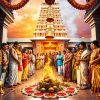
The Kumbabishegam ceremony is a multi-day event that includes several elaborate rituals conducted by learned priests and scholars. The rituals are performed in accordance with the Agama Shastras and Vedic Scriptures. Here’s a step-by-step guide to the ceremony:
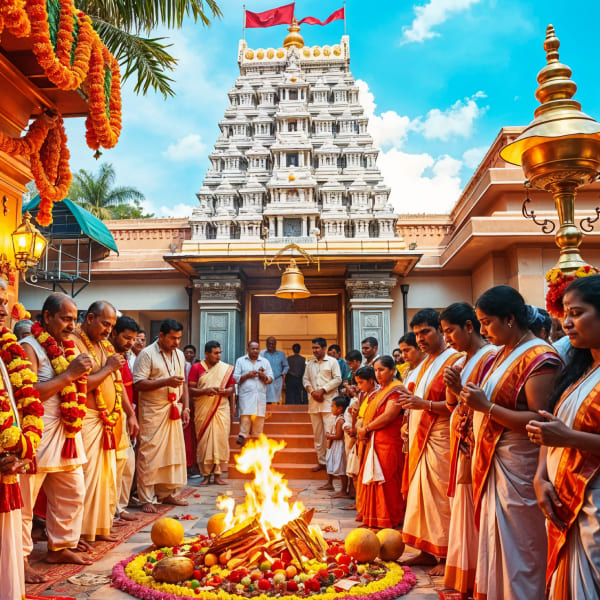
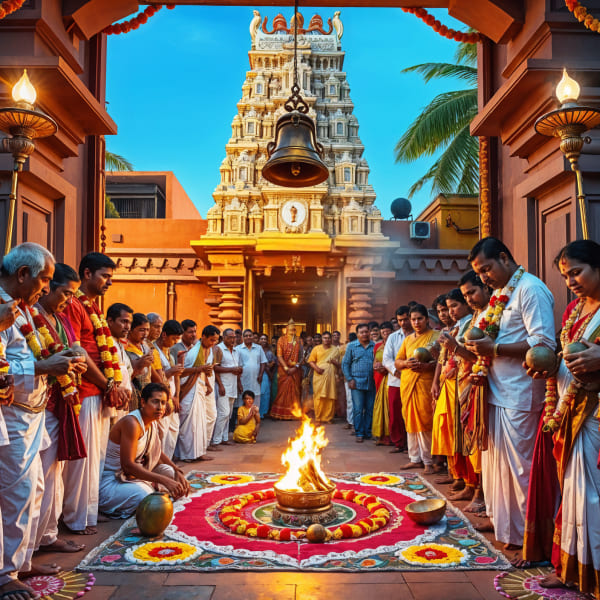
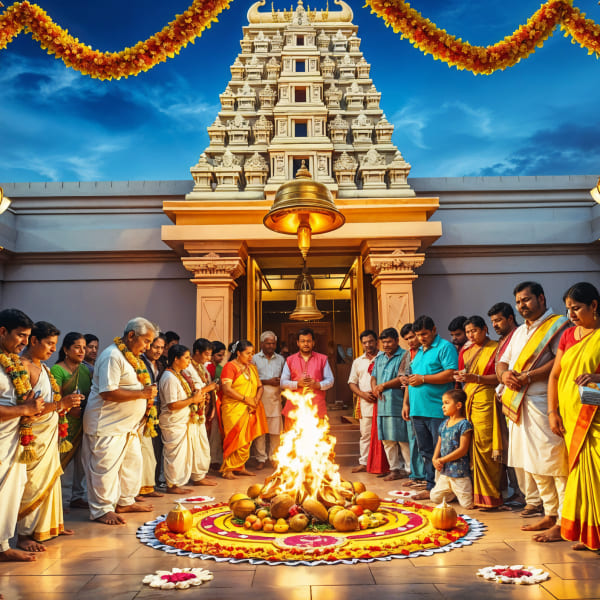
- Yagasala Puja: Before the main event, a special yagasala (sacrificial hall) is set up. Here, various homams (fire rituals) are performed to invoke the presence of deities and to purify the environment.
- Anujna Homam: This ritual seeks the permission of the presiding deity and other divine forces to commence the Kumbabishegam ceremony.
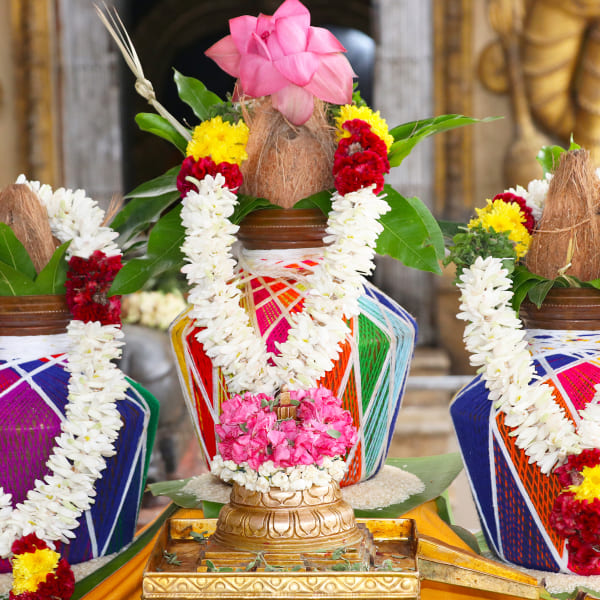
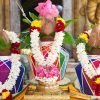
- Kalasa Puja: Sacred water is collected in specially designed pots (Kalasas) and placed in the yagasala. The water is energized through mantras and hymns, making it spiritually potent for the consecration process.
- Pranaprathishta: The Pranaprathishta ritual involves invoking the divine presence into the temple idols and re-installing them in the sanctum, signifying that the deities have accepted the temple as their abode.
- Maha Abhishegam: The final and most significant phase, the Maha Abhishegam, involves pouring the consecrated water from the Kalasas over the temple’s Gopuram (tower) and deities. This sacred bathing symbolizes the transfer of divine energy and blessings.
Importance of Maha Kumbabishegam
The Maha Kumbabishegam ceremony holds paramount importance in the Hindu religion. It ensures that the temple remains a powerful focal point for spiritual activities, enabling devotees to seek divine grace and protection. The ceremony also reinforces the temple’s place as a community center, uniting people in devotion and celebration.
Key Elements in Kumbabishegam Ceremony
- Devotee Participation: The involvement of devotees in chanting, rituals, and prayers adds to the spiritual potency of the ceremony.
- Cultural Programs: Traditional music, dance, and cultural activities are often conducted as part of the event, showcasing the rich heritage associated with temple worship.
- Charity and Annadanam: The temple organizes food offerings (Annadanam) and charity activities, emphasizing the importance of serving the community.
Benefits
Participating in the Kumbabishegam ceremony brings immense spiritual and material benefits:- Spiritual Enlightenment: It provides an opportunity for self-purification and spiritual growth.
- Divine Blessings: The energy radiated during the rituals is believed to bring prosperity, good health, and peace of mind.
- Community Harmony: The event fosters a sense of unity, peace, and goodwill among the devotees.
Our Promise :
- Certified and experienced Patashala priests.
- All rituals follow Vedic Standards and Procedures.
- On-time availability of pandits on the scheduled date.
- Sacred homa materials for the best outcomes.
- Powerful mantras as per the Vedic standards.
- In-house guidance team till the Ceremony completion.